Wildlife Removal · Richmond, BC
Wildlife removal in Richmond for raccoons, squirrels and birds.
Raccoons, squirrels and birds move into attics, soffits, crawlspaces and vents because buildings are warm, dry and safe from predators. Getting them out is not a trapping job so much as a building job, and it has to be done within BC's wildlife rules. Tell us what you're hearing and we'll try to connect you with an independent provider who handles wildlife.
When to act
When wildlife removal is worth a call.
- Heavy thumping or walking sounds overhead at night, which points to raccoons
- Fast scurrying and rolling sounds at dawn and dusk, which points to squirrels
- Chirping or fluttering from a bathroom fan, dryer vent or chimney
- Torn soffits, lifted shingles or a bent roof vent
- Droppings concentrated in one corner of the attic or on the roof
- Insulation flattened into trails or pulled into a nest
What to expect
Wildlife Removal: what is involved.
The standard humane method is exclusion. The provider finds the entry point, fits a one-way door so the animal can leave but not return, and then repairs and reinforces the opening once the animal is out. Other weak spots are screened at the same time, because an animal locked out of one hole will test the rest of the roofline.
Timing matters. Raccoons typically have their young in spring and squirrels can raise litters in both spring and late summer. If babies are inside, a one-way door separates them from the mother, so a careful provider checks for young first and either waits or reunites the family outside.
The law matters too. Most native birds, their eggs and active nests are protected federally, and bats are protected under BC's Wildlife Act. Raccoons, skunks and grey squirrels are treated differently. Provincial rules let an owner or occupier trap them on their own land, hold them for no more than 24 hours and release them within 10 km, on Crown land or their own land. Local bylaws may add limits. Relocation still rarely works, because it can separate a mother from her young and another animal takes over the vacant den. Ask a provider how their method stays within the rules.
After the animals are out, cleanup deals with droppings and damaged insulation. Raccoon droppings in particular should be handled with protective gear and never swept dry.
Step by step
From first message to finished job.
Inspection
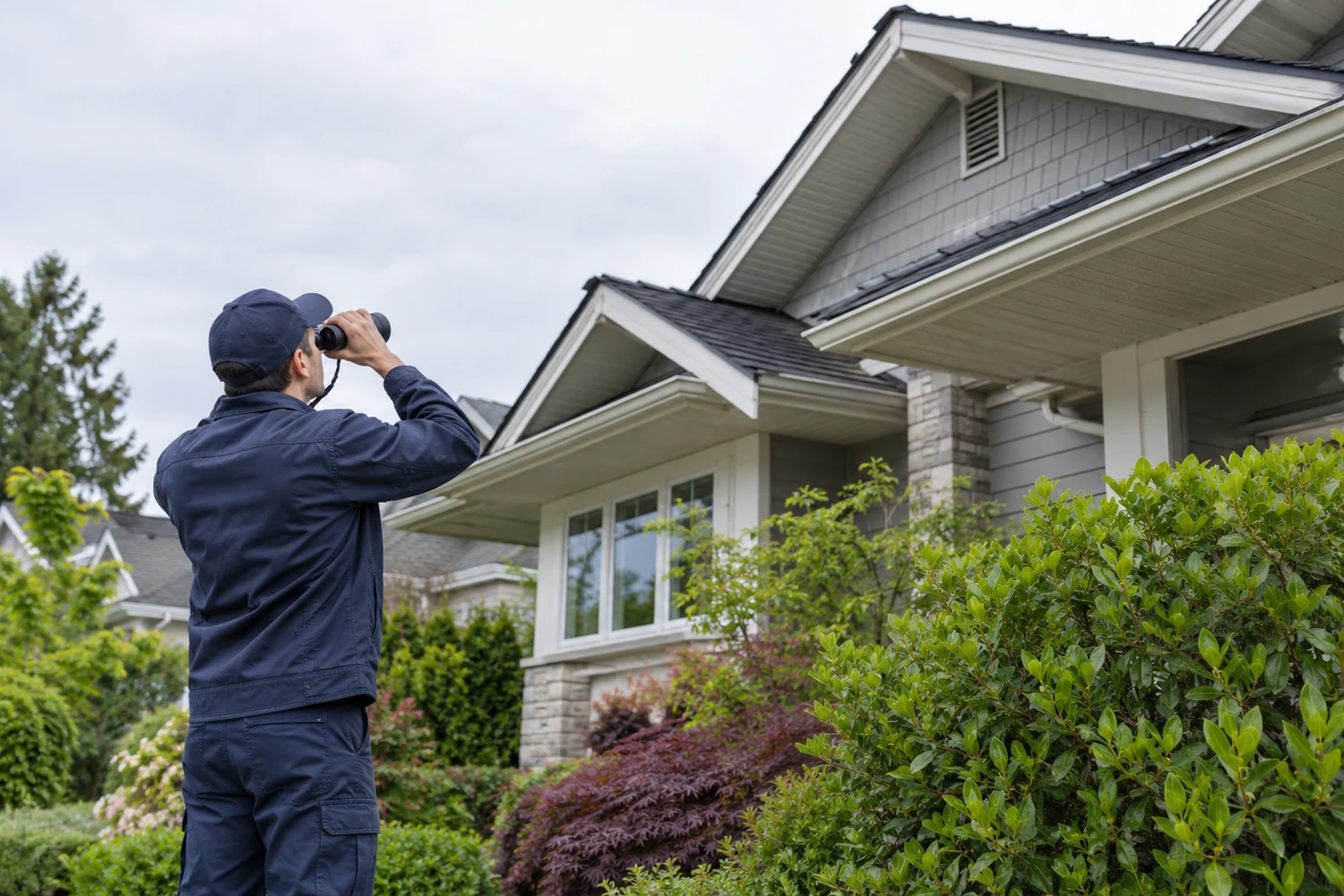
The provider checks the roofline, attic, vents and crawlspace to identify the animal and every entry point.
Check for young
If it is breeding season, the provider looks for babies before doing anything that would separate them from the mother.
One-way exit
A one-way door lets the animal leave on its own. Other openings are screened so it can't get back in elsewhere.
Repair and clean
The entry is repaired with chew-resistant materials and droppings and damaged insulation are dealt with.
Cost
What wildlife removal costs in Richmond.
Wildlife pricing has two parts: getting the animal out, and the repair and screening work that keeps it out. The second part varies most, because it depends on your roofline and how many openings need reinforcing.
| Job | Published range | Notes |
|---|---|---|
| Wildlife trapping or removal | $175 to $400 | Per job, before repairs |
| Inspection only | $85 to $170 | Sometimes credited toward the job |
Where
Wildlife Removal across Richmond.
FAQ
Wildlife Removal questions.
Can I trap a raccoon and relocate it?
Provincial rules allow it within limits. Raccoons are a Schedule B species, so an owner or occupier may trap one on their own land, hold it for no more than 24 hours and release it within 10 km, on Crown land or their own land. Check local bylaws first. It is still a poor fix. It can orphan young, and a good den site is soon found by another animal. Exclusion solves the problem at the building.
There are birds nesting in my vent. Can the nest be removed?
It depends on the species and whether the nest is active. Most native birds and their active nests are protected by federal law. A provider can identify the bird, advise on timing and screen the vent once the nest is no longer in use.
Are raccoons dangerous?
They usually avoid people, but a cornered raccoon or a mother with young will defend itself. Keep pets away, don't try to handle one and keep children away from any area with raccoon droppings.
How do I stop wildlife coming back?
Screen roof and soffit vents with heavy steel mesh, cap chimneys, trim branches back from the roof, secure garbage and compost, and stop leaving pet food outside. Most return visits come down to an opening that was never reinforced.
Other services
More ways we can help.
Tell us what you've noticed.
A few details about the problem and your neighbourhood is all it takes to get connected with a local provider.
Free to use · No obligation · Richmond and Ladner